
Views: 0 Author: Site Editor Publish Time: 2026-10-24 Origin: Site


Have you ever lit a tribute at a gravesite, only to return the next day and find it blown out? Leaving a light at a resting place is a deeply emotional gesture. It provides comfort to grieving families. However, outdoor environments are unpredictable. High winds, sudden rainstorms, and temperature drops pose a significant threat to open flames.
In this guide, we dive into the mechanics and practical engineering that allow a specialized cemetery jar to stay lit. You will discover how applied fluid dynamics and material science maintain a steady glow through shifting weather conditions.
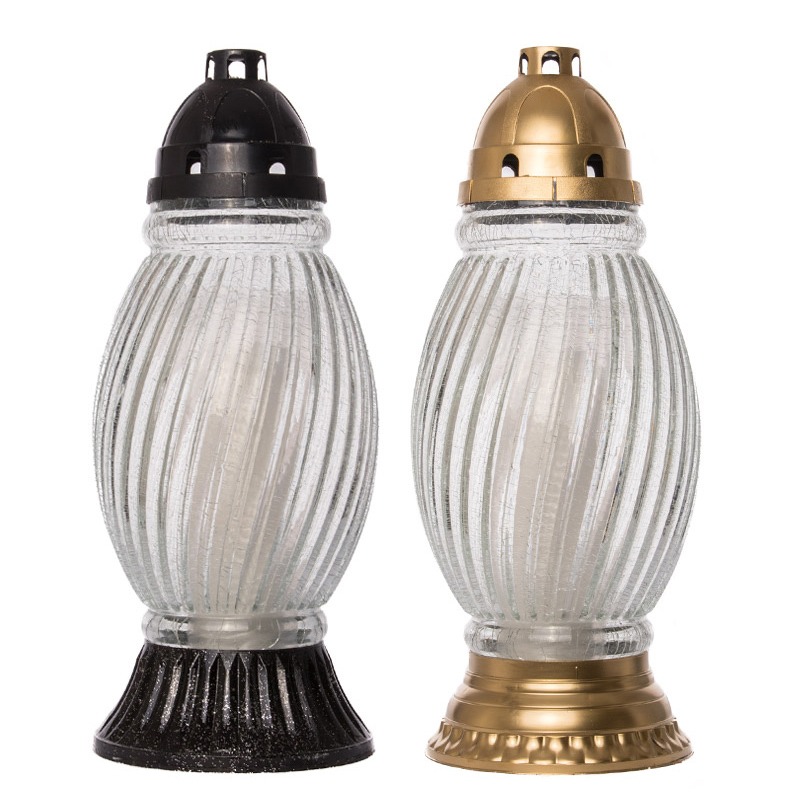
Vented Metal Lids: Specialized caps often incorporate ventilation features inspired by aerodynamic principles to balance airflow and weather resistance.
Aerodynamic Glass Design: The internal depth and specific shape of the container create a protective, stable micro-climate for the flame.
Thermal Shock Resistance: Depending on manufacturer specifications, premium jars often utilize borosilicate-grade glass to help prevent sudden, explosive shattering during extreme weather shifts.
Thicker Wicks and Hard Wax: Outdoor-specific tributes use specialized wax formulations and rigid wicks designed for slow, highly resilient burning.
Lighting a tribute outdoors introduces complex environmental challenges. An open flame requires a delicate balance. It needs a steady supply of oxygen to sustain combustion. Simultaneously, it must be rigorously shielded from the rapid airflow that can easily extinguish it. Consequently, the ability of these containers to keep a flame alive is not a matter of luck. It is a direct result of practical engineering.
A crucial component of an outdoor memorial jar is its lid. Unlike standard indoor covers, these specialized caps often incorporate ventilation features inspired by aerodynamic principles to balance airflow and weather resistance. They typically feature slotted or perforated metallic structures. When high-velocity wind hits the lid, the metal structure helps break up the direct force of the gust. Instead of a strong stream of air hitting the wick directly, the airflow is dispersed and slowed. Strategically placed vents allow just enough ambient oxygen to enter the chamber. This ensures the flame receives adequate fuel to continue burning without being smothered.
Furthermore, the physical dimensions of the jar play a significant role in flame preservation. In a properly designed unit, the wick sits deep within the thick glass walls. This deliberate depth creates a protective micro-climate. As the wind passes over the top of the vented lid, the deep walls act as an effective windbreak. Specifically, the air pressure inside the lower half of the jar remains relatively stable. This allows the flame to burn steadily even when the atmosphere outside the jar is turbulent.
Wind is certainly not the only threat to an outdoor flame. Moisture is equally destructive. Picture a sudden autumn downpour sweeping across a cemetery. To combat this, these jars feature weather-resistant lid designs, such as domed profiles, to help shed moisture. Much like the pitched roof of a house, this shape prevents rainwater from pooling on top of the container. Water naturally flows off the sides of the metal cap. The interior chamber remains mostly dry. This crucial moisture deflection ensures the wick remains capable of drawing liquid wax upward to sustain the fire.
Structural design dictates airflow. Yet, the material composition of the container is just as important for long-term survival. Standard glass is highly vulnerable to environmental stress. This makes specialized materials a practical necessity for outdoor safety and longevity.
One of the most severe threats to an outdoor flame is thermal shock. Imagine a bitter winter evening in a quiet cemetery. The ambient temperature plunges well below freezing. Meanwhile, the solitary flame inside the container generates intense, localized heat. If a standard soda-lime glass container is used, this stark temperature differential causes the inside of the glass to expand rapidly while the outside contracts. This internal stress frequently leads to cracking or shattering. It ruins the tribute and creates a safety hazard.
To directly combat thermal shock, according to manufacturer technical specifications, premium Glass Candle Jars designed for cemetery use often utilize borosilicate-grade glass. This is the exact same industrial-grade material used to create premium heat-resistant food containers and laboratory beakers. Borosilicate glass contains boron trioxide, giving it an incredibly low coefficient of thermal expansion. In engineering terms, high-quality units can withstand temperature differentials of up to 150 degrees Celsius without cracking. This helps ensure the jar remains intact whether it faces a blistering summer afternoon or a freezing winter night.
Consumers frequently wonder if they can simply use a standard household product at a gravesite to save time. They cannot. Indoor versions typically lack the structural and chemical adaptations required to survive harsh outdoor conditions.
Most indoor containers are designed for controlled environments where ambient temperatures remain stable and airflow is minimal. Consequently, their bases are uniform in weight. If placed on uneven ground at a gravesite, a standard container is more susceptible to tipping over during a moderate gust of wind.
In stark contrast, many engineered Outdoor Cemetery Jars feature a strategically weighted, bottom-heavy base. This low center of gravity provides stability. Even when placed on natural, uneven soil or exposed to sudden wind drafts, the jar remains firmly upright and secure.
Beyond the container itself, the combustible materials inside must be optimized for the elements. Standard indoor products typically use softer wax blends that melt quickly to release fragrances. In an outdoor setting, direct sunlight can cause this soft wax to melt prematurely, potentially drowning the wick. To prevent this, outdoor jars utilize a significantly harder wax blend with a much higher melting point. In addition, the wicks used in these outdoor units are thicker and stiffer. A rigid wick stands tall and resists bending into the wax pool when agitated by erratic wind currents. This ensures a consistent, controlled burn over several days.
Feature | Standard Indoor Jar | Engineered Cemetery Jar |
|---|---|---|
Glass Material | Soda-lime glass, highly prone to thermal shock | Borosilicate-grade glass, industrial heat resistance |
Lid Design | Open top or flat decorative cover | Vented metal baffle features for weather resistance |
Base Stability | Uniform weight distribution | Bottom-heavy, weighted base for uneven soil |
Wax Composition | Low melting point, soft fragrance blend | High melting point, weather-resistant hard wax |
A recent analysis of the broader memorial product sector reveals a significant shift in consumer preferences and manufacturing standards. Historically, the market was heavily saturated with single-use, thin plastic containers. These degraded quickly under UV light or cracked during the first winter freeze. Today, search data and purchasing patterns indicate a rapidly growing demand for engineered durability and sustainability.
Families are increasingly moving away from disposable plastics. They choose instead to invest in high-quality, reusable glass containers capable of withstanding year-round environmental stressors. This shift aligns perfectly with a broader global consumer movement towards eco-friendly, long-lasting products. Manufacturers are responding by adopting premium materials like borosilicate-grade glass and precision-engineered metal baffling systems. Modern tributes now offer both unparalleled reliability and environmental responsibility.
The physical mechanics of keeping a flame alive are firmly grounded in science. Yet, the act of lighting a Serenity Memorial Glass Candle Jar is deeply rooted in human psychology and cultural tradition. Acknowledging this emotional context helps explain why the absolute reliability of these jars is so important to grieving families.
Across various cultures and historical periods, fire has served as a universal symbol of life, spirit, and remembrance. Lighting a flame at a gravesite is a tangible expression of enduring love. It serves as a visual representation that the memory of the departed remains bright and active. When a family visits a cemetery, the simple act of striking a match provides a profound sense of psychological closure and peace. The reliability of a weather-resistant jar ensures this symbol of hope continues to shine. It offers quiet reassurance long after the family has departed the grounds.
The robust, weather-resistant design of these jars makes them highly versatile. Originally engineered for gravesites, their ability to withstand the elements has made them increasingly popular for other meaningful outdoor applications.
Picture an elegant outdoor evening wedding reception. A gentle breeze constantly threatens the decor. A common challenge for couples is finding a way to respectfully include deceased loved ones in the ceremony without the flame constantly blowing out. Standard taper or pillar candles may easily fail in this environment, disrupting the visual tribute. Utilizing a weather-resistant cemetery jar helps ensure the flame remains lit throughout the vows and the reception, offering a constant, comforting presence.
Similarly, many individuals choose to create private spaces of reflection within their own backyards. A home serenity garden offers a quiet, accessible place to mourn. Because these outdoor areas are exposed to the same rain and wind as a graveyard, utilizing a specialized outdoor jar is essential for maintaining a permanent, glowing tribute.
Advanced weather-resistant engineering is only part of the equation. User application plays a critical role in maximizing the burn time and reliability of an outdoor tribute. Implementing a few practical, evidence-based steps significantly enhances performance.
First, strategic placement is key. Wind velocity is rarely uniform. It interacts heavily with physical obstacles. Instead of placing the jar in the center of an open grassy area, position it as close to the granite headstone as possible. The monument acts as a highly effective natural windbreak, deflecting the strongest direct gusts away from the jar vents.
Secondly, always prepare the wick before the initial lighting. Using proper clippers, trim the wick to exactly one-quarter of an inch. If the wick is excessively long, it creates a flame that is too tall. This generates excess smoke and burns through the wax at an inefficiently rapid pace. A neatly trimmed wick ensures a controlled, steady draw of fuel.
Finally, secure the base properly. Take a moment to clear away loose gravel, twigs, or thick clumps of grass to expose a flat area of soil. Press the heavy base of the jar firmly into the ground to ensure it is level. This prevents uneven wax melting and accidental tipping.
Selecting the appropriate product requires evaluating several technical specifications. When browsing for a lasting tribute, use the following checklist to ensure you are selecting a product truly capable of withstanding the elements:
Material Verification: Check the product specifications to see if the container features borosilicate-grade glass. Look for a thermal shock resistance capable of handling extreme temperature shifts.
Lid Construction: Ensure the lid is made from a rust-resistant metal, such as anodized aluminum or treated steel, and incorporates functional ventilation features.
Base Stability: Look for designs that feature a deliberately weighted or widened base to lower the center of gravity.
Burn Time Specifications: Evaluate the wax volume. A high-quality outdoor jar should clearly state a continuous burn time of 72 to 168 hours, equating to 3 to 7 days.
By prioritizing these crucial engineering features, you can confidently select a tribute that will reliably protect the flame of remembrance through the most unpredictable weather conditions.
The secret to maintaining a steady flame in harsh outdoor conditions lies in a combination of precision engineering and premium materials. Lids with ventilation features effectively balance airflow. Deep glass walls create a calm, protective micro-climate for the wick. Furthermore, the integration of heat-resistant borosilicate-grade glass ensures the container can safely endure freezing temperatures without shattering. Together, these features transform a fragile open flame into a resilient, enduring beacon. A reliable jar offers profound peace of mind, ensuring that your loved one's memory continues to shine brightly, no matter the weather.
When preserving the memory of a loved one, do not leave the tribute to chance with inadequate indoor products. Explore the professionally engineered, weather-resistant options available at SDJY Glass. Choose a specialized memorial jar designed to keep your tribute burning brightly through any storm.
Yes, they are highly effective in wet conditions. The specialized lids feature weather-resistant designs, such as domed profiles, to help shed moisture rather than pooling on top. The ventilation features act as baffles. They allow necessary oxygen to flow into the chamber while physically blocking water droplets from reaching the wick, helping the combustible materials remain dry.
The lifespan of the flame depends heavily on the volume of the wax and the thickness of the wick. Standard outdoor memorial jars are typically engineered to burn continuously for 72 to 168 hours. The use of hard wax blends ensures a slow, controlled burn rate, preventing the fuel from being consumed too rapidly even when wind causes the flame to flicker.
The risk of shattering is significantly reduced if you select a product made from the correct materials. High-quality outdoor jars often utilize borosilicate-grade glass, which has a very low coefficient of thermal expansion. Consequently, when the interior of the jar is heated by a continuous flame and the exterior is exposed to freezing winter air, the glass does not experience the internal stress that causes standard soda-lime glass to crack.
Yes, purpose-built memorial jars are specifically designed for safe, unattended use. The heavy, weighted base drastically minimizes the risk of the container being knocked over by wind or local wildlife. Furthermore, the enclosed glass walls and secure metal lids safely contain the flame, minimizing the risk of sparks escaping and igniting surrounding dry grass, floral arrangements, or other flammable materials at the gravesite.
Uneven burning occurs when the jar is not placed on a level surface or if the initial burn was not long enough to melt the entire top layer of wax. Always ensure the heavy base is pressed firmly into flat, cleared soil to maintain an even wax pool and prevent the wick from drowning.
Over time, erratic wind drafts can cause the flame to flicker and produce soot on the glass. To clean the borosilicate-grade glass, simply wipe the cooled interior with a paper towel dampened with rubbing alcohol or warm soapy water. Trimming the wick to a quarter-inch before lighting drastically reduces future soot buildup.


