
Views: 0 Author: Site Editor Publish Time: 2026-10-22 Origin: Site


Did a leaky cap ruin your bag today? You toss your backpack into the passenger seat, hit the brakes, and suddenly your laptop is swimming. I see this failure mode constantly in packaging design. A premium glass vessel requires a matching, high-performance lid. Substandard caps cause frustrating spills and compromise the integrity of the entire container. The right closure transforms your daily hydration routine from a liability into a seamless experience. In this comprehensive guide, we will explore thread sizes, functional materials, and distinctive styles to help you pick the perfect lid tailored to your specific application.
Sizing is Everything: Cap compatibility relies on exact neck finish measurements like 28/400 or 38/400. The concept of a universal cap is an industry myth.
Match the Cap to the Activity: Different daily routines demand distinct closures. Straw lids offer quick convenience for driving, whereas solid stainless steel screw caps provide the ultimate security needed for rugged travel.
Material Integrity Matters: To maintain a chemical-free environment, select closures crafted from safe materials like food-grade silicone, 18/8 stainless steel, or Bisphenol A-free polypropylene.
Beyond Hydration: Different glass vessels serve distinct purposes, requiring highly specialized closures ranging from heavy-duty lotion pumps to tamper-evident seals.
Hygiene is Crucial: Complex cap systems with bite valves or internal straws demand strict, regular maintenance to prevent biofilm buildup and hazardous mold growth.
When consumers invest in premium drinkware, the primary motivations typically center around health, taste preservation, and environmental sustainability. However, the cap system functions as the operational engine of the container. Without a properly engineered and securely fitted lid, the inherent benefits of the glass vessel are significantly compromised.
Glass is inherently heavier and more rigid than plastic or aluminum alternatives. Consequently, when a glass container shifts inside a tote bag, it carries substantial momentum. If the lid lacks a precision-engineered seal utilizing a compressible silicone O-ring, the hydrostatic pressure from the liquid can easily breach the threads. A secure, leak-proof cap is not merely a convenience. It is a vital protective measure for your electronic devices and important documents during daily transit.
Furthermore, one of the main advantages of Pure glass bottles is their chemical inertness. High borosilicate glass withstands thermal shocks up to 150 degrees Celsius without leaching volatile organic compounds or imparting residual flavors into your beverage. In contrast, pairing a high-quality glass body with a low-grade plastic cap allows the water resting against the lid to absorb undesirable synthetic tastes or odors. A superior cap ensures the entire interior environment remains completely untainted.
Recent packaging industry analyses reveal a massive consumer shift toward modular and sustainable hydration systems. Market trends indicate that buyers are no longer satisfied with single-use or poorly constructed proprietary closures. Instead, there is a surging demand for standardized, interoperable cap systems made from premium, non-toxic materials. This evolution pressures manufacturers to move away from cheap, easily degradable plastics and adopt high-grade silicone and metal components that extend the lifecycle of the primary vessel.
Purchasing a replacement cap based purely on visual estimation is a common, yet costly, consumer mistake. The packaging industry utilizes a highly specific measurement framework to categorize bottlenecks and caps. Mastering this system is the only reliable way to guarantee a watertight fit.
The industry standard for measuring bottle threads is the T/E measurement system, established by the Glass Packaging Institute. The T dimension represents the outside diameter of the thread. The E dimension denotes the outside diameter of the neck finish, measured across the root of the threads. The thread style, such as 400, 410, or 415, indicates the thread pitch and the number of turns. For instance, a 400 finish means there is exactly one continuous thread turn around the neck.
When you encounter a cap labeled as 28/400, it signifies the cap has a 28-millimeter inner diameter specifically engineered to fit a 400-style thread finish. Common dimensions for standard drinkware include 28 millimeters for narrow mouths, 38 millimeters for standard openings, and 48 millimeters or 53 millimeters for wide-mouth designs.
To determine your precise cap size, you will need a digital caliper or a very precise metric ruler. Place the caliper across the very top opening of the bottle, measuring from the outermost edge of the thread on one side directly to the outermost edge on the opposite side. If this span measures 38 millimeters, your primary number is 38. Next, count the threads. If the thread wraps around the neck exactly one time, it is a 400 finish. Combining these observations, a 38-millimeter diameter with a single thread turn dictates that you need a 38/400 cap.
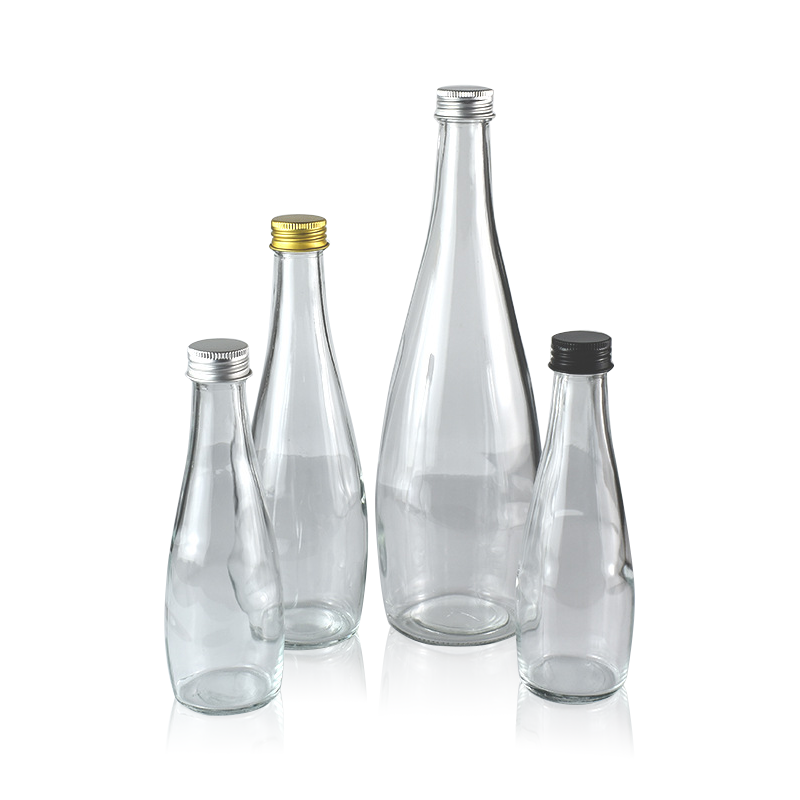
Once you have pinpointed the correct thread size, the subsequent decision involves daily functionality. The specific style of lid you select dictates how seamlessly you interact with your drinkware throughout the day.
The continuous-thread screw cap remains the most traditional and secure closure available on the market. Often crafted from stainless steel or enveloped in a natural bamboo exterior, these caps rely heavily on a thick internal silicone gasket to forge an impenetrable seal. They offer the highest echelon of leak protection, making them ideal for commuting and air travel. Specifically, they usually ensure that your beverage only touches glass, metal, or silicone, thereby maintaining a completely plastic-free hydration experience. The only notable drawback is that they require two hands to operate, rendering them impractical while cycling or driving.
Flip-top lids feature a hinged cover that snaps audibly over an ergonomic drinking spout. These are exceptionally popular for office environments and pair beautifully with Clear water tumblers. For example, a standard 500-milliliter tumbler equipped with a 38-millimeter neck benefits greatly from rapid, one-handed operation. You can simply press a release button or flick the lid open with your thumb. However, the hinge mechanisms and snap-closures inherently involve moving parts that can fatigue over time. If the container is dropped, the rigid plastic hinge is frequently the first component to shatter.
Straw lids integrate a rigid or flexible internal tube that draws liquid from the very bottom of the vessel, passing it through a folding mouthpiece or a soft silicone bite valve. Because glass containers can be quite heavy, a straw lid allows you to hydrate efficiently while keeping the bottle perfectly upright on a treadmill or in a car cup holder. Keep in mind, these are the most complex caps to maintain. The internal mechanisms and narrow tubes are notorious for trapping ambient moisture, which inevitably leads to rapid mold development if not meticulously sanitized.
Cap Style | Seal Strength | Best Application | Maintenance Level |
|---|---|---|---|
Stainless Screw Cap | Maximum | Air travel, rugged commuting | Low |
Flip-Top Spout | Moderate | Office desks, walking | Medium |
Straw / Bite Valve | Moderate | Driving, gym workouts | High |
Bamboo Screw Cap | High | Everyday carry, dry environments | Medium |
The driving motivation for avoiding plastic bottles is to prevent chemical leaching into drinking water. It entirely defeats the purpose of using premium glass if your chosen lid introduces those exact toxins. Comprehending cap materials is absolutely essential for long-term health and safety.
Food-grade silicone stands as the gold standard for O-rings, gaskets, and bite valves. It is a highly stable, heat-resistant synthetic polymer that remains chemically inert. It creates a compressible, robust seal that prevents leaks without shedding microplastics into your beverage. For rigid structural components, 18/8 stainless steel composed of 18 percent chromium and 8 percent nickel is the optimal choice. It delivers exceptional durability, actively resists rust, and never retains lingering flavors.
While a completely plastic-free experience is the ideal scenario, complex functional lids require moldable, lightweight materials. If you must utilize a plastic cap, verify that it is manufactured from Polypropylene identified by recycling code number 5 or Tritan copolyester. These specific plastics are certified free from endocrine-disrupting bisphenol compounds. They also boast high thermal stability, meaning they are far less likely to degrade or warp when subjected to hot washing cycles.
The fundamental principles of cap compatibility extend far beyond basic daily hydration. Glass remains the preferred storage medium across multiple demanding industries, and each unique application necessitates highly specialized closure engineering.
Viscous liquids require mechanical assistance for effective dispensing. When outfitting a Glass hand sanitizer bottle, you must select an appropriate pump mechanism. Typically, a 250-milliliter or 500-milliliter sanitizer bottle utilizes a 28/400 heavy-duty lotion pump. The critical measurement here is the dip tube length. The internal tube must be cut at a slight angle and reach the very bottom corner of the vessel to ensure zero product waste. In addition, these pumps should feature a reliable twist-lock mechanism to prevent accidental, messy dispensing during transport.
The medical and wellness sectors rely heavily on Pharmaceutical glass bottles to protect light-sensitive liquids and maintain absolute chemical stability. Amber glass blocks harmful UV rays, while the caps for these specialized vessels prioritize precision dosing and strict safety protocols. Options frequently include calibrated glass droppers for tinctures, fine mist sprayers for topical applications, and polycone-lined screw caps for a hermetic seal. Crucially, many of these closures must incorporate Child-Resistant push-and-turn mechanisms and Tamper-Evident breakaway bands to comply with rigorous federal safety regulations.
For bulk food storage, cosmetics, or home canning, Clear glass jars require entirely different sealing technologies. Canning applications typically utilize metal lug caps equipped with a plastisol liner. When heated during the water-bath canning process, the plastisol softens and then cures as it cools, creating an impenetrable vacuum seal. For dry pantry goods, continuous thread metal or plastic lids with simple foam liners are perfectly sufficient to block ambient moisture and deter pests.
Investing in a high-quality glass water bottle is a proactive step toward better health and a cleaner environment. However, while the glass body remains inert and naturally resistant to bacterial colonization, the cap system is a complex assembly of threads, gaskets, and moving parts. This makes the lid the primary location for biofilm accumulation, mold growth, and trapped odors. Proper maintenance is not merely about aesthetics. It is a critical engineering requirement for food safety and material longevity.
A simple daily rinse under the faucet is woefully insufficient. Saliva contains active enzymes and bacteria that create a microscopic biofilm on plastic and silicone surfaces when mixed with residual moisture. Every day, you should disassemble the basic components of your cap. Wash the lid thoroughly with warm water and a mild, fragrance-free dish soap. Use a dedicated micro-bristle bottle brush to scrub the interior threads where the cap meets the bottle rim. Allow all parts to air-dry completely on a clean rack in a well-ventilated area. Trapped moisture is the primary catalyst for mold, so reassembling a damp cap is a critical error.
Once a week, your cap system requires a more intensive sanitization process to break down stubborn mineral deposits and eradicate hidden microbes. Create a soaking solution using equal parts distilled white vinegar and warm water. Vinegar acts as a mild acetic acid that effectively dissolves hard water stains and disrupts bacterial cellular structures without degrading high-quality plastics. Submerge the disassembled cap parts in this solution for 15 to 20 minutes.
The silicone gasket is the unsung hero of any leak-proof cap. Unfortunately, the tight crevice where this gasket sits is the most common breeding ground for black mold. To clean this area effectively, you must physically remove the gasket. Never use a sharp object like a kitchen knife or a metal skewer. A single micro-tear in the silicone will compromise the watertight seal permanently. Instead, use a specialized blunt gasket-removal pick or the rounded handle of a plastic spoon to gently pry the O-ring out of its seating groove. Once removed, inspect the silicone for signs of degradation, such as thinning or stickiness, and wash it separately in hot, soapy water.
Even with meticulous maintenance, the mechanical components of a lid will eventually experience unavoidable wear and tear. When it is time to replace or upgrade your cap, making an informed purchasing decision is crucial to maintaining the integrity of your hydration setup.
The most reliable source for a replacement cap is always the original equipment manufacturer. Because glass manufacturing inherently involves slight dimensional tolerances, a cap designed specifically for your brand guarantees the exact thread pitch and depth required for a flawless seal. Many reputable brands offer replacement lids at a fraction of the cost of a totally new bottle, supporting a more sustainable, repair-focused consumer model.
If the original manufacturer does not sell replacements, third-party aftermarket caps are a viable alternative. However, purchasing third-party lids requires careful engineering scrutiny. Verify the material certifications first. Look for explicit statements confirming that the plastics used are Bisphenol A-free. Ideally, the product listing should mention compliance with FDA standards or the even stricter European LFGB standards for food-contact materials. Furthermore, pay close attention to customer reviews, specifically filtering for mentions of leaking or fit issues. A cap may claim to be a universal fit for a standard 28-millimeter neck, but minor variations in the thread design can easily result in a poor seal.
For households, corporate offices, or hospitality settings, standardizing your glassware and cap systems can significantly streamline maintenance and reduce long-term costs. When buying in volume, it is particularly important to request material specification sheets from the wholesale supplier. This allows you to verify exact millimeter measurements before placing a large order, ensuring you always have a clean, perfectly compatible backup ready to use.
Finding the right cap system completely transforms your standard glass water bottle. It elevates a simple container into a highly customized hydration tool tailored specifically to the demands of your daily life. Whether you need the rugged security of a stainless steel screw cap for travel or the quick convenience of a straw lid for the gym, the perfect closure exists. Always double-check your exact neck measurements with a caliper before you buy, prioritize non-toxic materials, and commit to a regular cleaning routine.
Ready to upgrade your packaging solutions or daily hydration experience? Explore our comprehensive range of premium glass containers and precision-engineered closures at SDJY Glass. Whether you need pharmaceutical-grade droppers, heavy-duty sanitizer pumps, or sleek stainless steel hydration lids, find the perfect, leak-proof match tailored to your specific application today.
No, glass water bottle caps are not universally interchangeable. While the packaging industry utilizes standard neck finish dimensions like 28/400 or 38/400, where the first number represents the outer diameter of the threads in millimeters and the second represents the thread style and depth, manufacturers often employ proprietary variations. Even a one-millimeter difference in the thread pitch or the thickness of the glass rim can prevent a cap from sealing correctly. Attempting to force an incompatible cap onto a glass thread can cause the glass to chip or shatter, posing a significant safety hazard. Always measure your specific bottle with a caliper or consult the original manufacturer compatibility chart before purchasing a replacement.
A leaking lid is almost always a direct symptom of a compromised silicone gasket. First, unscrew the cap and carefully inspect the interior O-ring. If the gasket is missing, twisted, pinched, or flattened from long-term compression, water will inevitably bypass the threads and leak. Remove the gasket using a blunt tool, wash it thoroughly, and seat it completely flat within its designated groove. If the leak persists, inspect the rigid plastic or metal of the cap for hairline cracks, which can expand under pressure. Finally, ensure you are not cross-threading the cap when closing it. The lid should twist on smoothly without excessive force. If the gasket is permanently degraded, replacing the O-ring or the entire cap is the only reliable solution.
You should only use hot beverages if both the glass and the cap are explicitly rated for high temperatures. The vessel itself must be made of high borosilicate glass, which is engineered to withstand sudden thermal shock without cracking. Standard soda-lime glass will likely shatter when exposed to boiling water. Regarding the cap, standard plastics like PET or low-density polyethylene can warp, melt, or leach harmful chemical compounds when exposed to high heat. You must ensure the cap is constructed from heat-resistant polypropylene or medical-grade silicone. Even with the correct materials, exercise extreme caution. Hot liquids create internal steam pressure, which can cause flip-top lids to pop open unexpectedly or hot water to spurt dangerously from straw mechanisms.
Bamboo is a naturally porous organic material, making it highly susceptible to moisture absorption, warping, and mold proliferation if not maintained correctly. To prevent mold, a bamboo cap must never be submerged in water, left soaking in a sink, or placed in a dishwasher. It should be washed strictly by hand using a damp, soapy cloth, carefully avoiding saturating the exterior wood. Immediately after washing, dry the bamboo thoroughly with a clean towel and leave it in a dry, well-ventilated space. To enhance its natural moisture resistance, you should periodically treat the exterior bamboo surface with a food-safe mineral oil or beeswax conditioner. This fills the microscopic pores in the wood, creating a protective barrier against ambient humidity and accidental splashes.
When outfitting a glass hand sanitizer bottle, the chemical composition of the sanitizer dictates the required cap mechanism. Hand sanitizers possess high concentrations of alcohol, typically 60 to 80 percent, which can rapidly degrade low-quality plastics and cause standard rubber gaskets to dissolve or become sticky over time. The optimal closure is a heavy-duty pump dispenser constructed from high-density polyethylene or polypropylene, featuring a stainless steel internal spring mechanism to prevent rust. Furthermore, the pump must include a reliable locking feature, either a twist-lock or a specialized clip, to prevent accidental depression and hazardous spills during transit or storage.
Identifying a toxin-free cap requires looking beyond basic marketing claims. Turn the cap over and locate the resin identification code stamped directly into the plastic. Look for the number 5, which indicates Polypropylene. This specific material is inherently free of Bisphenol A and BPS. Alternatively, check the manufacturer specification sheet for FDA or European LFGB food-grade certifications. If the cap lacks a recycling code or official material documentation, it is much safer to assume it contains non-compliant industrial plastics and should be avoided.
It heavily depends on the specific materials used in the closure assembly. Solid stainless steel caps and high-grade silicone gaskets generally withstand the high heat of a commercial dishwasher cycle without issue. However, complex lids containing moving parts, soft plastic straws, or bamboo exteriors will warp, degrade, or absorb contaminated wash water. The intense heat and harsh detergents often cause the internal silicone O-ring to lose its elasticity, permanently destroying the leak-proof seal. For maximum longevity and hygiene, hand washing cap systems is always the recommended engineering best practice.


