
Views: 0 Author: Site Editor Publish Time: 2026-10-26 Origin: Site


Imagine standing at a lab bench or in front of a bathroom mirror. You are carefully applying a highly concentrated botanical serum or administering a critical pediatric medication. In these delicate moments, a single extra drop completely alters the outcome. Tight manufacturing tolerances exist specifically to prevent this exact failure. A precision dispensing system ensures consistent and reliable dosing every single time.
Throughout this technical guide, we will delve into the engineering behind pipette manufacturing. We will explore advanced testing methodologies, the physics of fluid dynamics, and the critical standards required for safe liquid packaging.
Within industrial manufacturing, tolerance refers to the permissible limit of variation in a physical dimension. No fabrication process achieves absolute perfection. A microscopic degree of variance always exists. However, when engineers specify a tight tolerance for a pipette, they mandate that the inner and outer diameters of the glass tube adhere to exact measurements. In premium production lines, we are talking about dimensional variations restricted to as little as plus or minus 0.05 millimeters.
This strict dimensional control ties directly to the fundamental principles of fluid dynamics. The size of the pipette orifice dictates the surface tension of the liquid as it exits. If this tiny opening is even marginally too wide, the drop volume expands rapidly. Conversely, a narrow tip causes the fluid to struggle to dispense. By fiercely maintaining these limits, manufacturers guarantee uniform drop size.
Precision extends well beyond the glass tube itself. A finely calibrated pipette cannot function in isolation. The anatomy of an accurate dispenser requires seamless integration with High-quality bottle caps and premium elastomer bulbs. The cap ensures the glass piece sits perfectly centered. Meanwhile, the silicone or natural rubber bulb generates the exact volumetric suction required. Standard thread sizes like 18/415 or 20/400 must match the bottle neck flawlessly. Should any component deviate from its dimensional constraints, the entire system collapses, leading to messy leaks or unwanted air exposure.
Component | Function in Dispensing | Impact of Poor Manufacturing Tolerance |
|---|---|---|
Glass Pipette Tip | Controls drop size via surface tension. | Inconsistent drop volumes and risk of overdosing. |
Elastomer Bulb | Provides vacuum suction to draw liquid. | Weak suction and inability to fill the pipette fully. |
Threaded Cap | Secures the assembly and seals the bottle. | Air leaks leading to liquid evaporation and contamination. |
When handling prescription treatments or potent botanical extracts, dosage accuracy becomes a matter of critical safety. Pharmaceutical glass bottles are engineered to meet the most stringent regulatory standards globally. These encompass rigorous guidelines set by the FDA and international pharmacopeias.
Looking at current industry trends, the packaging sector is experiencing a massive shift toward micro-dosing and hyper-concentrated formulations. Market analysts note that active pharmaceutical ingredients and potent skincare acids are becoming increasingly concentrated. Consequently, the acceptable margin for error is shrinking drastically. Regulatory bodies no longer view the dropper as a mere accessory. They now classify it as a critical medical delivery device. Maintaining strict manufacturing standards protects the integrity of the formulation and serves as a vital compliance requirement.
The primary hazard of poor manufacturing variance is dosage inconsistency. Underdosing renders a treatment ineffective, while overdosing triggers severe adverse reactions. A precision-crafted dispenser ensures that a specified volume remains steadfastly consistent from the first use to the last.
Furthermore, containers crafted from Type I borosilicate glass represent the gold standard for chemical stability. This specialized material boasts exceptionally high hydrolytic resistance. It refuses to leach alkaline compounds or heavy metals into the fluid, even during prolonged storage of highly acidic formulations.
In both consumer packaging and laboratory environments, professionals frequently use the terms dropper and pipette interchangeably. Grasping the technical distinctions is vital for selecting the appropriate liquid handling tool.
A laboratory pipette encompasses a broad category of instruments designed to transport measured liquid volumes. The Pasteur pipette stands out as a common example. Traditionally fashioned from thin glass or low-density plastic, these tools lack precise calibration. Technicians rely on them for rapid fluid transfers where exact volumetric precision per drop is not the primary objective. They are intended for single use to prevent cross-contamination.
In contrast, a specialized packaging component serves a completely different purpose. It permanently integrates into a cap-and-bulb assembly designed for repeated consumer use over the product lifespan. Because the end-user relies heavily on this tool for daily dosing, the heavy-wall Type I or Type III glass must be manufactured to exceptionally tight tolerances. Tight dimensional control ensures the glass does not wobble or detach from the rubber bulb during operation.
Feature | Pasteur Pipette Laboratory Tool | Glass Dropper Pipette Packaging |
|---|---|---|
Primary Material | Thin glass or low-density plastic | Heavy-wall Type I or III glass |
Calibration Level | Low uncalibrated volume | High strict dimensional tolerance |
Lifecycle | Single-use disposable | Long-term matching product shelf life |
System Integration | Standalone tool | Integrated securely with cap and bulb |
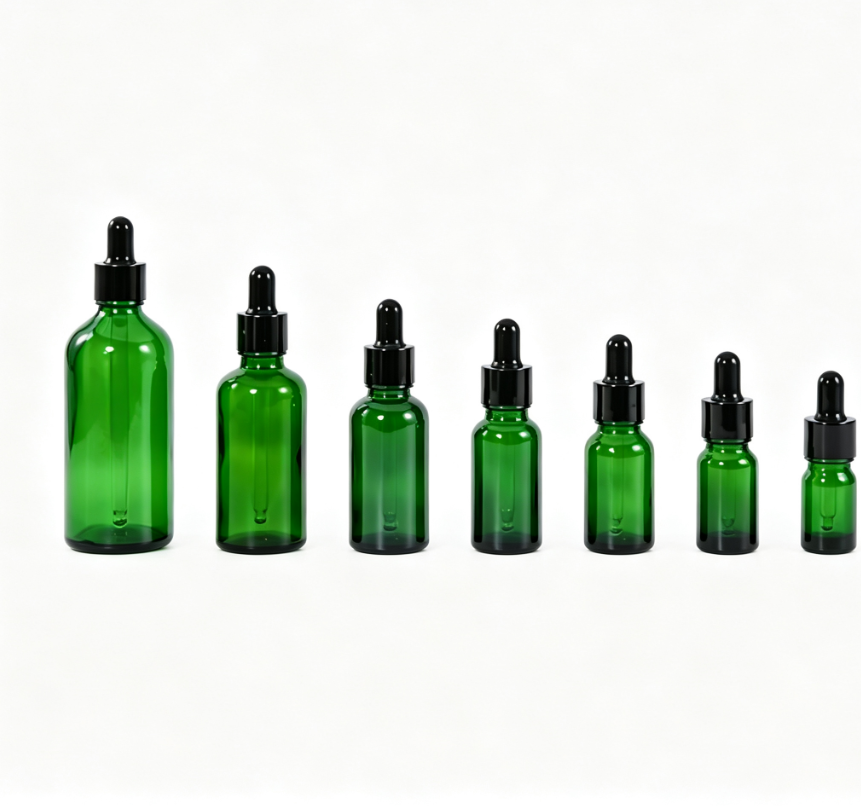
Before premium Glass dropper bottles reach the retail market, they must survive rigorous quality assurance protocols. Manufacturers deploy standardized testing methods to verify that microscopic dimensional tolerances translate into real-world reliability.
The most critical evaluation involves drop volume testing via gravimetric analysis. Technicians draw a specific liquid into the tube and dispense drops onto a highly sensitive analytical balance. By meticulously weighing the dispensed fluid, engineers calculate the exact volume per drop. If the weight variance exceeds the acceptable threshold, the entire batch faces immediate rejection.
Seal and leak testing proves equally imperative. A precision glass tip becomes entirely ineffective if the surrounding assembly leaks. Manufacturers place sealed containers into vacuum chambers, pulling pressures down to minus 80 kilopascals. This simulates extreme pressure changes experienced during high-altitude freight transportation. Any slight failure in tolerance between the cap threads and the bottle neck results in rapid pressure loss.
Finally, accelerated aging tests assess chemical and thermal compatibility. Assemblies are subjected to aggressive solvents and high heat to verify that the glass resists degradation and the rubber bulb maintains its suction capacity over time.
Handling liquids of wildly varying viscosities presents a formidable engineering challenge. Viscosity, measured in centipoise, determines how easily a fluid flows.
Tight-tolerance pipettes offer incredible versatility, yet they must match the specific characteristics of the fluid. For thin aqueous solutions sitting around 1 to 5 centipoise, a standard narrow-orifice tip provides magnificent drop control. However, fluid dynamics shift dramatically when dispensing highly viscous liquids. Heavy carrier oils or concentrated suspensions behave differently. A standard narrow tip struggles to draw thick liquid. To combat this, manufacturers engineer pipettes with wider orifices, applying the same strict tolerances to guarantee smooth dispensing.
It is also crucial to acknowledge the physical limits of vacuum-based dispensing. Relying on a squeeze bulb becomes highly impractical for extremely thick gels. In such scenarios, brands pivot to alternative packaging mechanisms. A prime example is the mechanical pump dispenser commonly found on a Glass hand sanitizer bottle. These systems utilize mechanical force rather than vacuum suction to move high-viscosity materials efficiently.
Furthermore, when dealing with heated liquids in compounding pharmacies, borosilicate glass instruments easily withstand rapid temperature fluctuations. Operators simply need to ensure the heated fluid does not exceed the thermal limits of the elastomer bulb to prevent warping and loss of suction.
Even with a precisely engineered dispensing system, user technique plays a monumental role in dosage accuracy. The most frequent hurdle is the sudden formation of air bubbles trapped inside the glass tube.
Bubbles materialize due to improper suction techniques or sudden disruptions in surface tension. When air becomes trapped inside the liquid column, it displaces the fluid. A visually full pipette actually contains significantly less liquid than intended. Tight manufacturing tolerances actively minimize this phenomenon by ensuring an ultra-smooth inner glass wall. This reduces internal friction and prevents rogue air pockets from clinging to the sides.
To draw liquid flawlessly, users should adopt a standardized procedure. Squeeze the bulb completely before inserting the tip into the liquid. This action forcefully expels all existing air. Next, submerge the tip fully into the fluid. Finally, release the pressure on the bulb slowly and steadily. A rapid release creates a turbulent vacuum, causing cavitation and introducing unwanted air bubbles.
Maintenance remains equally critical for long-term accuracy. Sticky residue from essential oils can accumulate on the inner walls over time. This microscopic buildup effectively narrows the inner diameter of the glass, altering the engineered tolerance. Pure glass bottles and their accompanying pipettes should be meticulously sterilized. Cleaning them with appropriate solvents dissolves stubborn residues and restores original performance.
Selecting the correct packaging represents a strategic decision that directly impacts product performance. Matching the packaging architecture to the specific characteristics of the fluid is the foundational first step.
Buyers must carefully evaluate the pipette tip style and container capacity. Standard market volumes range widely from 5ml up to 100ml. The straight tip serves as the industry standard for general-purpose dispensing. Meanwhile, the bent tip is cleverly engineered to reach the bottom corners of the container to minimize product waste. Blunt tips are frequently utilized for safety purposes in pediatric products to prevent accidental scratching. Pointed tips deliver the smallest and most precise drops possible for micro-dosing.
Pipette Tip Style | Structural Characteristic | Optimal Liquid Viscosity | Common Industry Applications |
|---|---|---|---|
Straight Pointed | Narrow orifice with restricted flow | Low viscosity water or alcohol extracts | Eye drops and potent essential oils |
Straight Blunt | Standard opening for a consistent drop | Medium viscosity carrier oils | Skincare formulations and dietary supplements |
Bent Curved | Angled tip to prevent dripping | Low to Medium viscosity | Aggressive chemicals and specific lab reagents |
Ball Tip | Rounded end for gentle application | Medium to High viscosity | Topical treatments and pediatric medications |
The profound importance of sourcing quality cannot be overstated. Opting for cheaper mass-produced packaging plagued by loose tolerances inevitably leads to wildly inconsistent drop volumes and messy product leakage. A poorly functioning dispenser instantly diminishes the perceived value of a premium formulation.
To guarantee unwavering reliability, businesses should partner with reputable manufacturers who tightly control their production ecosystem. Sourcing pharmaceutical-grade materials and precision-engineered closures from a trusted supplier ensures all components interlock flawlessly. Protect your product integrity and deliver a seamless dispensing experience for your end-users. Explore the extensive catalog of premium packaging solutions at the SDJY Glass official website to find the perfect fit for your specific formulation needs.
Tight tolerance in a dispensing system is not just a manufacturing buzzword. It is the absolute backbone of precise dosing. This unwavering accuracy protects consumer safety and preserves product integrity from the factory floor all the way to the medicine cabinet.
Always pair high-quality glass containers with reliable airtight closures. Industries dealing with sensitive formulations require strict manufacturing standards to ensure chemical stability and exact volumetric delivery. Ultimately, the quality of your packaging reflects the true value of your brand.
Upgrade your packaging line with premium precision-engineered components today, and ensure that every single liquid drop is dispensed perfectly.
The accuracy depends heavily on strict industry regulations. They are calibrated to deliver a specific volume per drop, such as 0.05 mL for water-based solutions. Standard manufacturing tolerances for the inner and outer orifice diameters are generally held within plus or minus 0.1 to 0.05 millimeters. This strict variance ensures the drop volume remains consistent within a minimal margin of error.
Standard dispensing systems are optimized for low to medium-viscosity liquids like essential oils. When applied to highly viscous liquids such as heavy syrups, the standard orifice restricts fluid intake. The bulb also lacks the necessary suction power. For extremely thick formulations, alternative packaging solutions like mechanical pump mechanisms provide much more reliable dispensing.
Air bubbles form due to incorrect user technique or loose component tolerances that permit air leakage. To prevent bubbles, fully compress the rubber bulb before inserting the glass tip into the liquid. Once submerged, release the bulb slowly and steadily. This deliberate technique ensures a continuous vacuum draw and prevents environmental air from becoming trapped.
A Pasteur pipette serves primarily as a disposable laboratory tool for rapid and uncalibrated fluid transfers. Conversely, a commercial dropper pipette is a robust and highly calibrated instrument integrated directly into a packaging closure. It is manufactured to tight tolerances to withstand repeated consumer use while delivering consistent daily dosages.
The structural integrity of the entire dispensing system relies entirely on the closure. Premium caps ensure a perfect mechanical seal between the glass neck, the rubber bulb, and the pipette collar. A poorly manufactured cap fails to maintain the internal vacuum, leading to inaccurate liquid drawing, product leakage, and potential microbial contamination.
Accurate measurement relies on maintaining a vertical angle during dispensing. Hold the pipette perfectly straight up and down to ensure uniform surface tension at the tip. Squeeze the bulb with consistent pressure to release one drop at a time, allowing gravity to pull the liquid naturally rather than forcing it out aggressively.
Yes, glass pipettes made from high-quality borosilicate can be easily sterilized and reused. Disassemble the glass tube from the rubber bulb and cap. The glass component can be boiled, autoclaved, or soaked in isopropyl alcohol to remove sticky residues. However, rubber and silicone bulbs should be washed with warm soapy water and air-dried, as extreme heat can degrade the elastomer over time.


